asasiipos
Run every till on a point of sale you own
Android terminals at the counter that take cards, QR and cash and keep selling through a network drop. Behind them, the outlet console for the day, the takings and the fleet, and every receipt ready to become a MyInvois e-invoice.
Owned outrightRuns in your environmentEnterprise security throughout

Everything the counter needs, on one terminal
From the barcode scan to the e-invoice on the receipt, one point of sale the retailer buys and keeps.
A till that keeps selling
The terminal holds the catalogue and prices locally, takes the sale through a network drop, and syncs receipts, stock and e-invoices when the line returns.
Every way to pay
Cards, DuitNow QR, e-wallets and cash at the counter, with the card reader driven by the terminal. Split tenders, holds, returns and voids with a reason on record.
The outlet behind the till
Opening and closing, shifts and takings, returns and exchanges, click and collect, stock counts, labels, terminals and staff on one console for the outlet manager.
Owned outright
The retailer owns the software, bought once and customised to its counters, and runs it in its own environment. The terminals, the receipts and the takings are the retailer's too.
What changes in the first month
A chain that moves from a legacy till or a tablet app sees three things straight away.
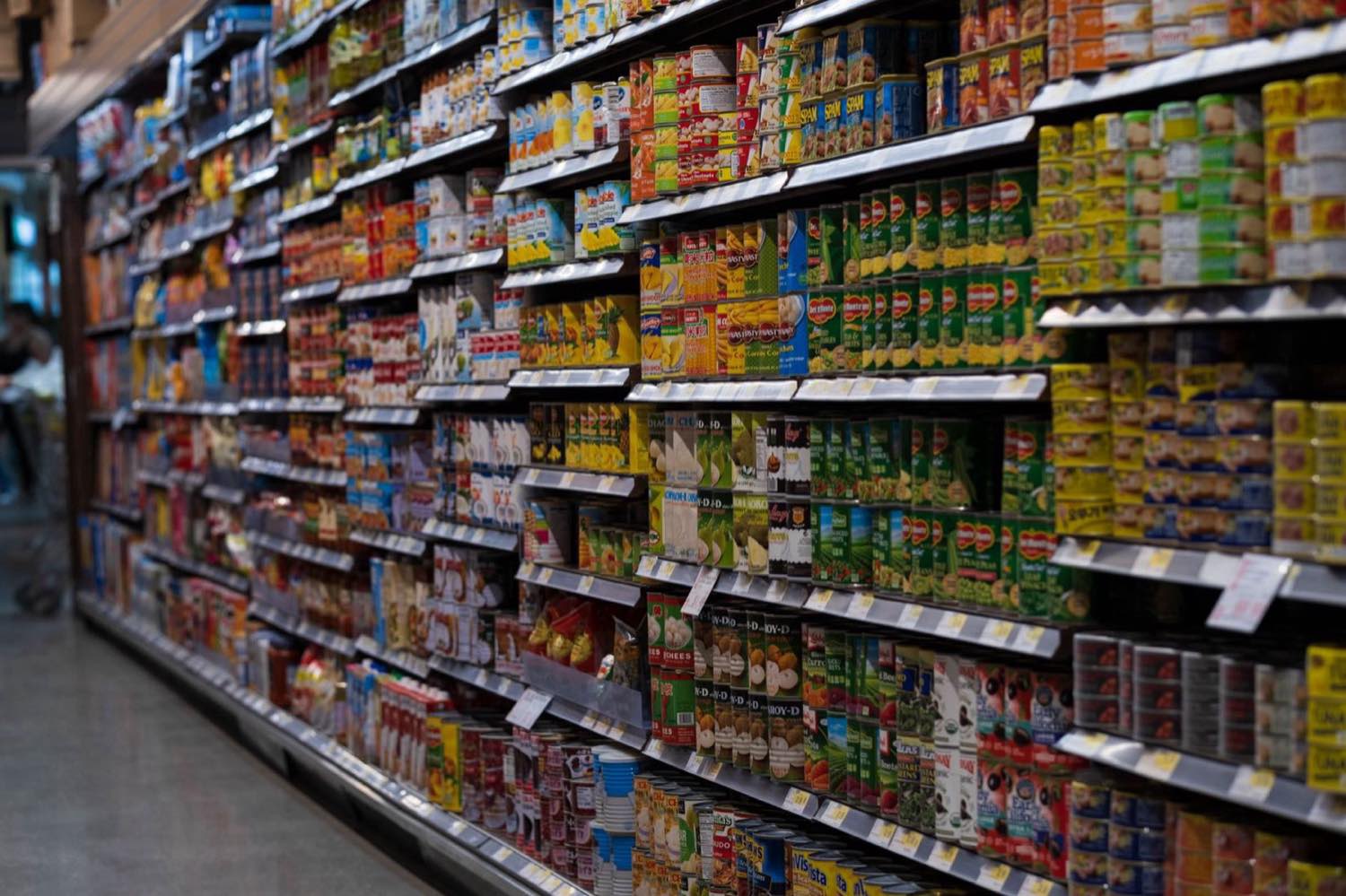
The queue does not stop for the network
A till that lost its line keeps scanning, keeps taking cards through the reader and keeps printing. Nothing is lost, nothing is re-keyed.
Cash variance has a name
Float, X and Z reads and counted cash against expected for every session, with the variance and who closed the till.
Head office sees today by two o'clock
Takings, transactions and basket per outlet against the same day last week, and every terminal's status, from the platform console.
How asasii POS runs the counter
Real screens from the terminal. Each one is the working view of the cashier, the customer and the outlet.
The cashier scans, tenders and prints in seconds
A sale is a scan or a SKU on the keypad, a customer if there is one, and a tender. The terminal drives the card reader, prints or sends the receipt, and shows the cashier what the printer, the reader and the network are doing.
- Barcode scan, SKU lookup and a quick-entry keypad on one screen
- Cash, card, e-wallet and QR, with exact and quick-amount tenders
- Discounts, holds, splits, returns and voids with a reason on record


The customer watches the sale on their own display
A second screen faces the customer: every line as it is rung up, the customer's name and tier when a member is attached, the promotions running, and the total. Nothing is a surprise at the end.
- Line by line, with quantity, price and total
- Member name and tier, and the promotions that apply
- Subtotal, discount, tax and the amount to pay

The day opens and closes on the terminal
The cashier signs in with an employee ID and PIN on the terminal registered to the outlet. Opening the outlet counts the float and records who opened; closing counts the drawer against expected and who closed.
- Employee sign-in by ID and PIN, no shared logins
- Opening float and closing count with the variance and who did it
- The status bar shows the printer, the card terminal, DuitNow and the sync, all the time


Enterprise-grade, built for the questions a retail group's audit committee will ask
The answers are in the platform, not in a slide.
Enterprise security
Single sign-on with the retailer's identity provider, MFA on every console, roles scoped by outlet and function, and an audit trail of every action with the previous value, retained for seven years. Card data stays on the acquirer's reader and gateway; the terminal holds tokens and settlement references only.
Service and continuity
Severity-based response times measured monthly, continuous monitoring from within the retailer's environment, a drilled backup and restore, and spare terminals held for the chain with swaps within the agreed window. One annual agreement, and hosting stays with the client.
Deployment, data and API
Runs in the retailer's own cloud account or data centre, installed and kept current by idataraya. Customer and staff data stay there under the Personal Data Protection Act 2010, every record exports on request, and a documented API gives the retailer's other systems and third parties access to sales, receipts, stock and takings.
A licence, not a percentage of every sale
The retailer buys a point of sale and keeps everything it produces. idataraya is paid to build, customise and maintain it.
| A subscription POS | asasii POS | |
|---|---|---|
| Who owns the software | The vendor; the till stops with the subscription | The retailer, outright |
| Where the data lives | The vendor's cloud | The retailer's own environment |
| The till when the network drops | Stops, or queues at the vendor's discretion | Keeps selling from the local catalogue, syncs when the line returns |
| Payments | The vendor's gateway and its rate | The retailer's own acquirer, driven from the terminal |
| E-invoicing | An add-on | Every receipt can become a validated MyInvois e-invoice |
| Integration | Apps from the vendor's store | A documented API, and asasii Commerce and Ledger built in |
| What it costs | Per terminal per month plus a percentage of sales | A system, plus a yearly fee with defined response times |
Questions we are asked before a proposal
What happens at the till when the network drops?
The terminal holds the catalogue and prices locally and keeps taking sales. Receipts, stock movements and e-invoices are queued on the device and sync when the line returns. The platform team sees every offline queue on the fleet console.
Which terminals does it run on?
The asasii POS app runs on Android point-of-sale terminals with a built-in printer and a card reader, and on Android tablets with a separate reader and printer. The terminal list in the proposal shows the models supported, including any the retailer already has.
How are card payments taken?
The terminal drives the acquirer's card reader over the counter link, so the amount goes to the reader and the result comes back without re-keying. Cards, DuitNow QR and e-wallets are taken this way; cash is counted at the drawer. Card data never touches the terminal or the platform.
Can a receipt become an e-invoice?
Yes. Any receipt can become a validated MyInvois e-invoice on the customer's request, consolidated B2C invoices are submitted on schedule, and rejections are queued for finance with the deadline showing.
Can the terminal be locked down?
Yes. Terminals are provisioned as dedicated devices so only the asasii POS app runs, and are registered to the outlet with a store, outlet and terminal code. A lost terminal is revoked from the fleet console.
Where does it run, and can our other systems talk to it?
In the retailer's own cloud account or data centre. idataraya installs it, hardens it and keeps it current, and the retailer's team holds the keys, the backups and the data. Every product carries a documented API, so the retailer's accounting system, loyalty programme, asasii Commerce or a third party can read sales, receipts, stock and takings and post what they need to.
What does the yearly agreement cover?
Software updates, the customisations made for you, monitoring, severity-based response and restoration targets, terminal swaps and firmware rollout. Hosting stays with you. It is a fee, not a percentage of sales.
See it on your own counters
Send us the outlet list, the terminal count and the tenders you take. An engineer replies with a rollout plan, a terminal list and a proposal.